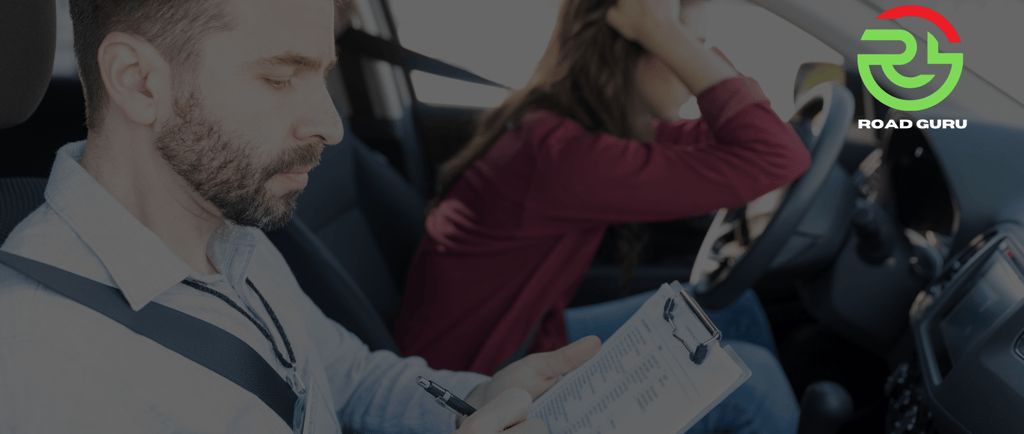
Learning to drive is an exciting milestone, but starting your journey requires understanding UK-specific road laws and processes. Here is a practical guide to help you navigate your way to becoming a confident driver on British roads.
1. Check your eligibility
Before you can start learning to drive in the UK, ensure you meet the following requirements:
- Minimum age: You must be at least 17 years old to drive a car. You can apply for your provisional licence from age 15 years and 9 months.
- Vision standards: You must be able to read a car number plate from 20 metres away, with glasses or contact lenses if needed.
- Health: Declare any medical conditions that might affect your ability to drive when applying for your licence.
2. Apply for a provisional driving licence
A provisional driving licence is essential before you can legally start learning to drive on UK roads.
- Apply online via the official GOV.UK website or complete a D1 form from the Post Office.
- Provide proof of identity (e.g. a valid passport) and a recent passport-sized photo.
- The application fee is currently £34 online or £43 by post.
- You will usually receive your licence within a week when applying online.
3. Understand learner driver rules
As a learner driver in the UK, you must:
- Display L plates (or D plates in Wales) clearly on the front and rear of the vehicle.
- Always be supervised by someone who is at least 21 years old, has a full UK driving licence, and has held it for at least three years.
- Avoid motorways unless accompanied by an approved driving instructor in a dual-controlled car.
4. Book lessons with a professional instructor
- Choose an Approved Driving Instructor (ADI): Check the instructor's ADI badge displayed in their car.
- Lessons typically range from £25-£40 per hour depending on your location.
5. Practise your driving skills
The DVSA recommends at least 45 hours of professional lessons and 20 hours of private practice.
- Start small: Practise basic manoeuvres in quiet areas.
- Build confidence: Gradually progress to busier roads and various driving conditions.
6. Prepare for the theory test
Before booking your practical driving test, you must pass the theory test.
- The test has two parts: multiple-choice questions on UK road rules and a hazard perception test.
- The theory test costs £25. Book via GOV.UK.
7. Take the practical driving test
- You must have passed the theory test and hold your provisional licence.
- The test lasts about 40 minutes and includes a sight check, vehicle safety questions, general driving, and one reversing manoeuvre.
- Weekday tests cost £62. Evening and weekend tests cost £75.
8. Stay safe and legal after passing
- Consider Pass Plus: This optional course helps gain extra experience and can lower insurance costs.
- Display P plates: Optional but signals to others you are a new driver.
- Get insured: Shop around for the best new driver insurance deal.
Final thoughts
Learning to drive in the UK requires patience, practice, and adherence to specific rules. By following these steps, you will set yourself up for success and enjoy the freedom of the open road.